Industrial IoT(Internet of Things) & Digital Twin Integration
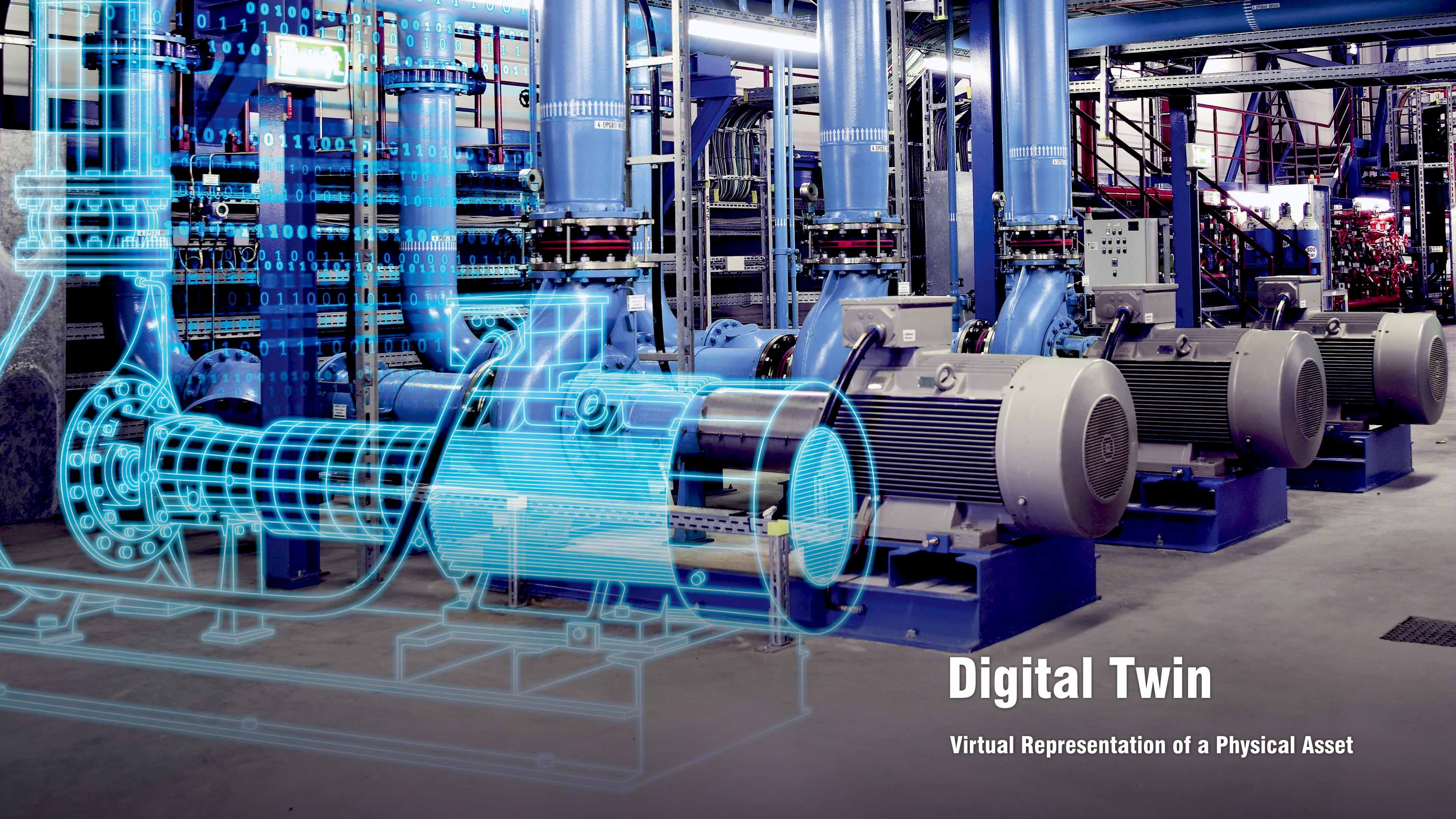
A Digital Twin is a virtual representation of a physical asset, process, or system. It mirrors real-world objects using real-time data, advanced analytics, and simulations to provide insights, optimize performance, and predict future outcomes.
How Do Digital Twins Work?
Digital Twins gather data from IoT sensors, historical records, and AI-powered analytics to create an accurate digital model of an asset or process. This allows organizations to monitor conditions, simulate scenarios, and make data-driven decisions for improved efficiency and reduced downtime.
Why Are Digital Twins Important for Industrial Operations?
Digital Twins enhance industrial operations in multiple ways:
- Predictive Maintenance: Identifies potential failures before they occur, reducing costly downtime.
- Process Optimization: Simulates different scenarios to improve efficiency and productivity.
- Real-time Monitoring: Provides continuous insights into asset performance and health.
- Cost Savings: Reduces maintenance costs and operational inefficiencies.
- Sustainability: Optimizes energy usage and reduces waste.
Which Industries Benefit the Most from Digital Twins?
Several industries leverage Digital Twins to enhance operations and efficiency:
- Manufacturing: Streamlines production lines, enhances quality control, and minimizes waste.
- Energy & Utilities: Monitors power grids, optimizes renewable energy sources, and improves asset management.
- Healthcare: Simulates patient treatments, optimizes medical device performance, and enhances hospital operations.
- Automotive & Aerospace: Enhances vehicle design, improves predictive maintenance, and optimizes fleet management.
What Technologies Enable Digital Twins?
Digital Twins rely on,
- IoT Sensors: Collect real-time data from physical assets.
- AI & Machine Learning: Analyze and predict operational patterns.
- Cloud Computing: Stores and processes vast amounts of data.
- AR & VR: Enables immersive visualization and interaction with digital models.
- Big Data Analytics: Extracts actionable insights for informed decision-making.
Can Digital Twins Improve Workplace Safety?
Yes! Digital Twins enhance workplace safety by:
- Identifying hazards and preventing equipment failures.
- Predicting equipment failures to prevent accidents.
- Training workers using virtual environments for better preparedness.
- Enhancing compliance with safety regulations by monitoring workplace conditions.
Are There Any Challenges in Implementing Digital Twins?
While Digital Twins offer numerous benefits, they also come with challenges:
- High Initial Costs: Implementation requires investment in IoT, AI, and data infrastructure.
- Data Security Concerns: Protecting sensitive operational data from cyber threats.
- Integration Complexities: Aligning Digital Twins with legacy systems and processes.
- Data Accuracy: Ensuring that sensor data is reliable and up to date.
What Is the Future of Digital Twins in Industrial Operations?
The future of Digital Twins looks promising with advancements in AI, 5G, and edge computing. Industries will see:
- More autonomous operations with self-learning AI-driven twins.
- Wider adoption across new sectors like smart cities and agriculture.
- Enhanced collaboration through shared digital models in cloud-based platforms.
- Greater sustainability efforts by optimizing resource usage and reducing waste.
Conclusion
Digital Twins are revolutionizing industrial operations by providing real-time insights, predictive capabilities, and process optimizations. As technology advances, their impact will only grow, leading to smarter, more efficient, and sustainable industrial ecosystems. Now is the time for businesses to embrace this game-changing technology and stay ahead of the competition.