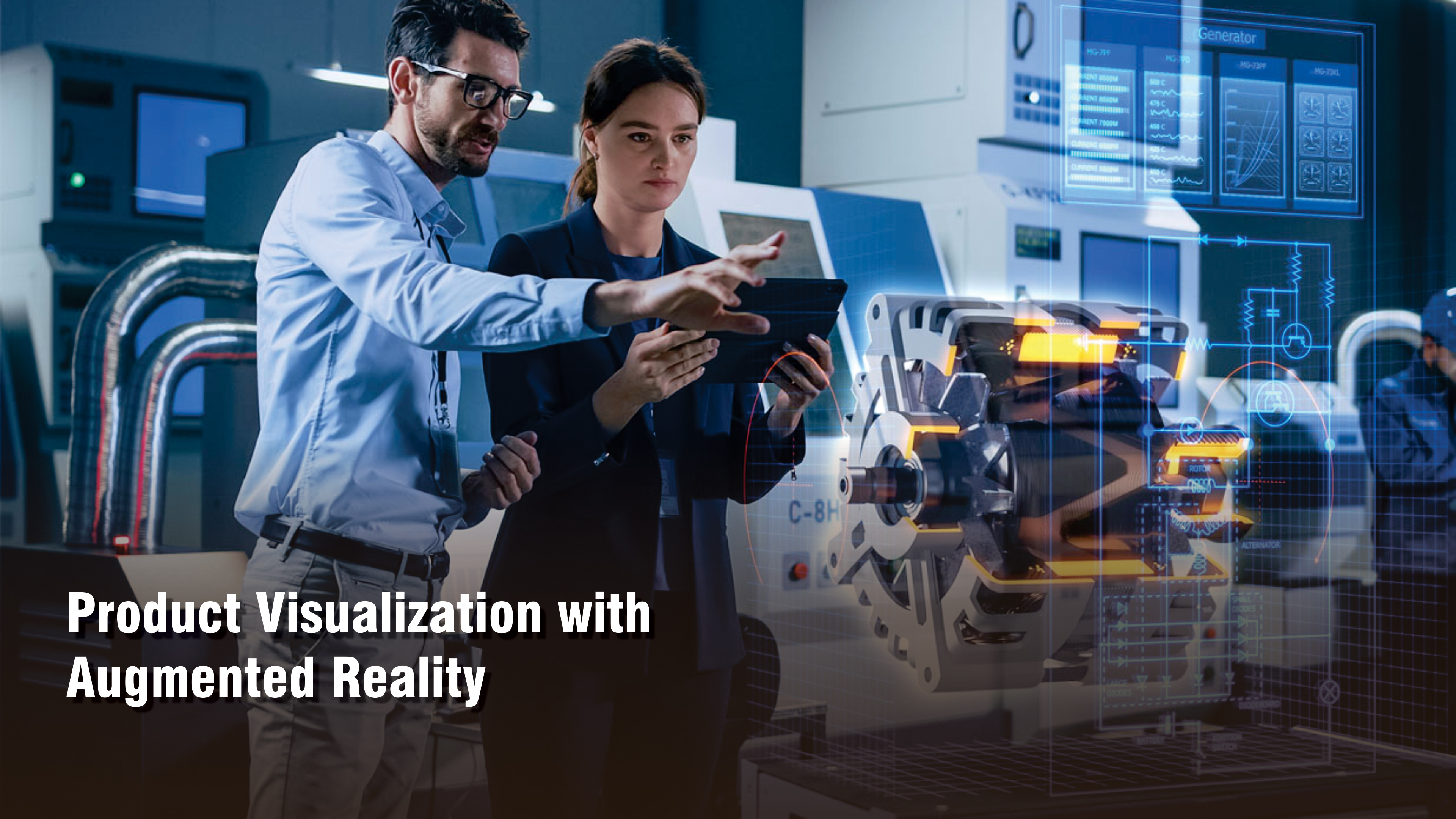
How Augmented Reality Reduces Operational Errors
Augmented Reality (AR) is transforming how industries visualize their products by overlaying digital information onto the real world. This technology offers interactive and immersive experiences that enhance various aspects of product design, manufacturing, and customer engagement.
Q1: How does AR improve the design process of industrial products?
AR allows designers to create and view virtual prototypes overlaid on physical models, enabling quick assessments and modifications without the need for multiple physical prototypes. This accelerates the design process and reduces costs.
Q2: In what ways does AR enhance customer engagement with industrial products?
AR enables customers to interact with 3D models of products in their own environment, providing a realistic sense of scale and design. This interactive experience boosts confidence in purchasing decisions and increases satisfaction.
Q3: How does AR contribute to more effective training in the industrial sector?
AR offers immersive training experiences by overlaying step-by-step instructions and simulations onto real-world equipment. This hands-on approach improves learning retention and prepares employees for real-life tasks more efficiently.
Q4: Can AR help reduce errors in manufacturing processes?
Yes, AR provides real-time, visual guidance to workers during complex assembly tasks, reducing the likelihood of errors and enhancing overall quality control in manufacturing operations.
Q5: What role does AR play in product customization?
AR allows customers to personalize products by visualizing different configurations, colors, or features in real-time, leading to a more tailored and satisfying purchasing experience.
By integrating AR into industrial product visualization, companies can streamline design and manufacturing processes, enhance customer interactions, and provide effective training solutions, ultimately leading to improved efficiency and satisfaction.